Afrohouse arrived in Europe through two cities. Paris had Djoon, a basement club in the 13th arrondissement that spent twenty years building a congregation around soulful, African-rooted house music. London had sporadic events at fabric, The Roundhouse, and a rotating cast of warehouse spaces south of the river. For a long time, the Netherlands sat on the sidelines. The country with the densest concentration of electronic music festivals on the continent had almost no dedicated Afrohouse programming.
That gap closed faster than anyone expected.
The sound, for the uninitiated
Afrohouse resists a clean definition. The genre stretches across tempos, moods, and production philosophies. South African producers like Da Capo and Enoo Napa build hypnotic eight-minute tracks from hand drums layered over four-to-the-floor kicks, vocal chants rising and falling across sparse arrangements. That's one version. Another leans closer to Funkyhouse: uplifting, vocal-heavy, euphoric, designed to make a room of strangers move together. A third drifts into Melodic House territory: atmospheric, textured, introspective.
Most DJs who play Afrohouse in Dutch clubs move between all three zones in a single set. The connecting thread is how the tracks build. Techno constructs tension through drops and releases. Afrohouse constructs it through rhythm and repetition. A good set feels like one continuous wave instead of a sequence of peaks. You feel it in your body before you process it in your head.
Maastricht: the unlikely epicenter
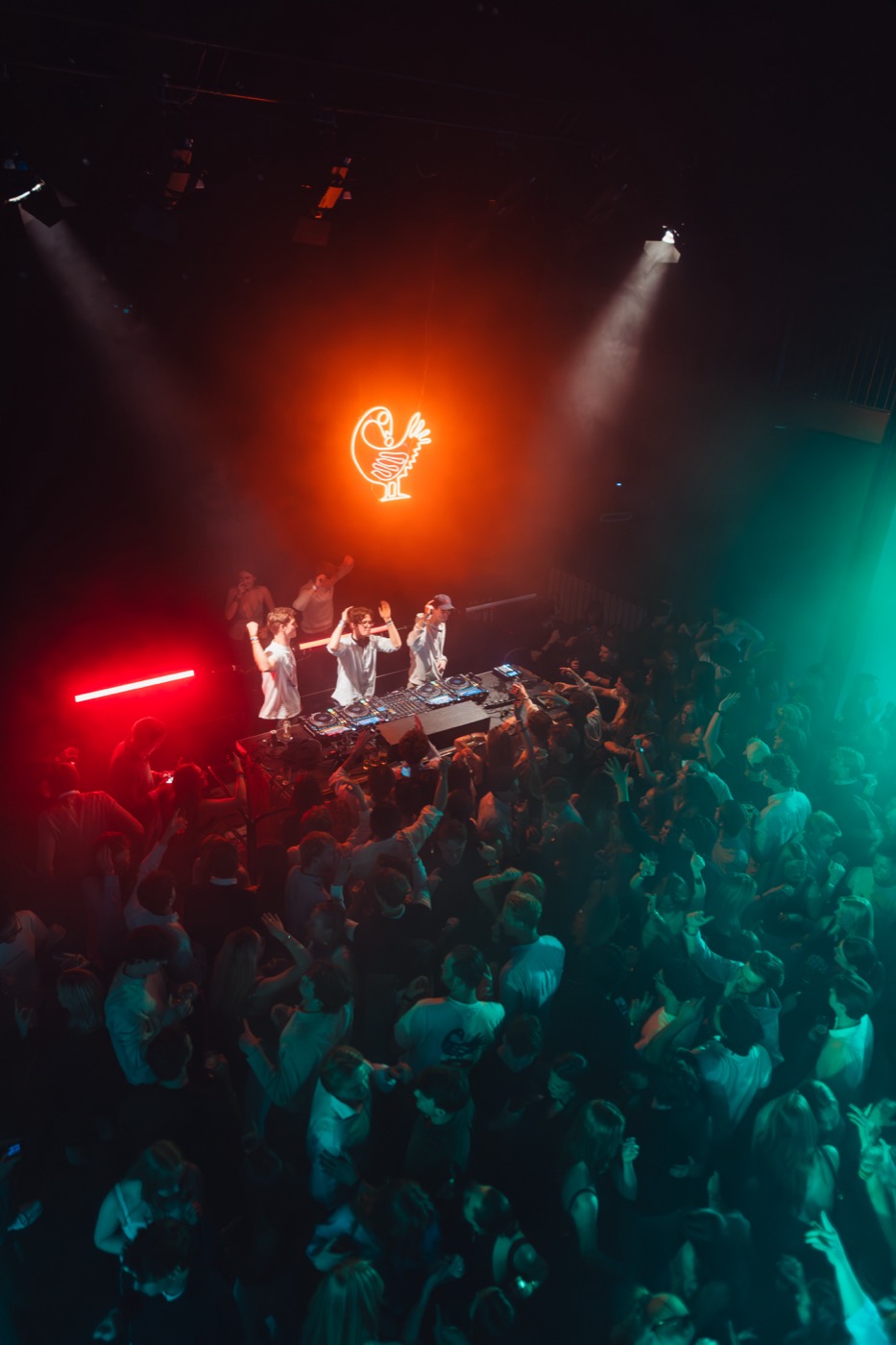
The most active Afrohouse scene in the Netherlands right now belongs to a city of 120,000 people in the southern tip of Limburg. Sankofa Nights launched its first event at Cavo in November 2024. Four friends from Limburg who kept having the same conversation: why does Maastricht have no Afrohouse? They named the project after the Sankofa bird, an Akan symbol from Ghana that flies forward while looking back.
Six events later, the series had outgrown Cavo and moved to Muziekgieterij's Main Stage, a 1,100-capacity former industrial hall in the Sphinxkwartier with professional sound engineering. Resident DJs Fray Sun, AJ, and Oscar anchor the nights. International guests rotate through: Sounds of Nazar traveled from Munster for a collaboration in January 2026. Liquid Beats crosses from Hamburg in September 2026. Each edition pulls a bigger crowd than the last, drawing students and visitors from Aachen, Liege, and Dusseldorf alongside the Maastricht locals.
The audience existed before the events did. Sankofa Nights gave it a room.
Amsterdam: volume and visibility
Amsterdam has the largest dance music market in the country, which creates a paradox for niche genres. Dedicated Afrohouse nights compete with hundreds of other events every weekend. Madam by Night programs Afro-leaning parties that draw a loyal crowd. Thuishaven, the outdoor venue complex that operates from spring through autumn, books Afrohouse DJs within its broader electronic programming. Individual events sell out. The challenge is that an Afrohouse night in Amsterdam exists inside an ecosystem where techno, commercial house, and festival culture absorb most of the attention and the press coverage. The scene is there. The spotlight isn't.
Den Haag: the beach and the regulars
The Hague built its Afrohouse presence differently. BIOTA, celebrating its eighth anniversary in 2026, runs Afro and Latin parties with a consistency that Amsterdam's one-off culture struggles to match. Mama Africa fills a similar role. The same faces appear week after week, which creates a community density that bigger cities dilute.
Scheveningen adds a summer dimension. Colorado Charlie programs Afrohouse and Funkyhouse nights where a beach day dissolves into a club night under an open roof, the North Sea still audible between tracks. Beachclub Indigo, further along the coast, runs full moon parties with eclectic bookings. Both venues prove that Afrohouse works outdoors as well as it works in a dark room with a heavy sound system. Different energy, same groove.
What comes next
No Dutch city has a dedicated Afrohouse club yet. The growth comes from collectives booking recurring nights at existing venues, building audiences one event at a time. That model works. Sankofa Nights proved it in Maastricht, BIOTA proved it in The Hague. Amsterdam has the audience size to scale the format once promoters commit to regular programming instead of scattered one-offs.
The genre doesn't need a trend piece or a festival headline slot to grow. Afrohouse spreads through rooms. Someone hears it once, comes back, brings friends. The sound does the marketing. The collectives provide the space.